Luxury Bathroom Design Ideas for Contemporary Homes
July 8, 2026
How to Choose the Perfect Sofa for Your Living Room
July 10, 2026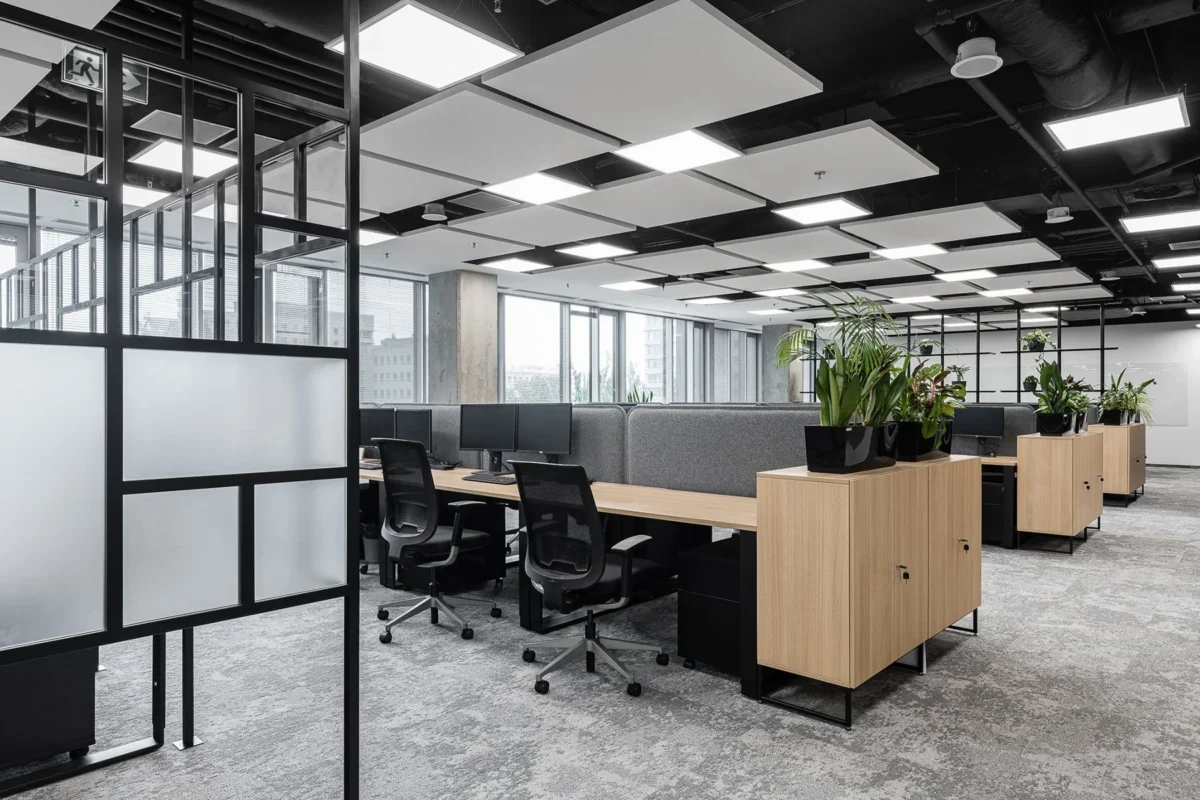
Introduction
A well-designed office is much more than an attractive workplace. It directly influences how employees think, collaborate, and perform throughout the day. Businesses today understand that the physical environment affects concentration, motivation, creativity, and overall efficiency. As companies continue to embrace flexible work models and employee-focused cultures, office interior design has become a strategic investment rather than a decorative expense.
How Office Interior Design Improves Productivity is a topic that has gained significant attention because organizations are recognizing the measurable benefits of thoughtful workplace design. From maximizing natural light and creating ergonomic workstations to introducing collaborative spaces and biophilic elements, every design decision contributes to a healthier and more productive workforce.
A carefully planned office environment helps employees feel comfortable, reduces workplace stress, minimizes distractions, and encourages innovation. When people enjoy the space they work in, they naturally become more engaged, motivated, and committed to achieving organizational goals.
Whether you are renovating an existing workspace or designing a new office, understanding how interior design impacts productivity can help you create an environment where both employees and businesses thrive.
Understanding the Connection Between Office Design and Productivity
Productivity is influenced by multiple factors, including employee skills, leadership, company culture, technology, and the physical workplace. While many businesses invest heavily in training and digital tools, the importance of office design is sometimes overlooked.
The workplace affects how employees move, communicate, focus, and recharge throughout the day. A poorly designed office may lead to discomfort, fatigue, noise-related distractions, and reduced morale. In contrast, an intelligently designed workspace supports both individual concentration and team collaboration.
Modern office interior design combines aesthetics with functionality. Instead of simply choosing stylish furniture or trendy colour schemes, designers carefully plan every aspect of the workspace to improve workflow, employee wellbeing, and operational efficiency.
When every area of the office is designed with purpose, employees can perform tasks more effectively while experiencing less physical and mental stress.
Why Businesses Are Investing More in Office Interior Design
Companies are increasingly viewing office interiors as an investment rather than an operational expense. The return on investment extends beyond appearance and includes measurable improvements in employee satisfaction, productivity, and talent retention.
Some of the biggest reasons businesses prioritise workplace design include:
- Improved employee engagement
- Better collaboration between departments
- Enhanced workplace wellbeing
- Stronger company culture
- Increased creativity and innovation
- Better first impressions for clients
- Higher employee retention
- Improved space utilisation
- Reduced workplace fatigue
An attractive and functional office also strengthens employer branding, making it easier to attract skilled professionals in competitive industries.
The Role of Employee Wellbeing in Workplace Productivity
Employee wellbeing has become one of the most important considerations in modern office planning. Healthy employees are generally more energetic, focused, and motivated to perform their responsibilities efficiently.
Office interiors that prioritise wellbeing create comfortable environments where employees feel valued and supported.
Several design elements contribute to workplace wellbeing:
Ergonomic Furniture
Comfortable seating and adjustable desks reduce physical strain during long working hours. Proper posture helps minimise neck pain, back pain, and fatigue, allowing employees to remain productive throughout the day.
Ergonomic workstations also reduce the likelihood of repetitive strain injuries, improving long-term employee health.
Comfortable Workspace Layout
A clutter-free office allows employees to move freely while reducing visual distractions. Well-organised workspaces improve concentration and make daily operations more efficient.
A balanced layout also prevents overcrowding and creates a sense of openness.
Healthy Indoor Environment
Air quality, temperature control, and proper ventilation all influence workplace comfort. Employees working in fresh, comfortable environments often experience better concentration and reduced fatigue.
Natural Light Creates More Productive Employees
One of the most influential aspects of office interior design is natural lighting. Studies consistently show that exposure to daylight positively affects mood, alertness, and overall workplace satisfaction.
Natural light supports the body’s internal clock, helping employees maintain consistent energy levels throughout the day.
Businesses often maximise daylight by:
- Installing larger windows
- Using glass partitions
- Keeping workstations near natural light
- Minimising unnecessary barriers
- Using reflective materials to distribute light evenly
Where natural light is limited, layered artificial lighting can help create a comfortable working environment that reduces eye strain.
Employees working in well-lit spaces often report higher job satisfaction and better focus during working hours.
Choosing Colours That Enhance Workplace Performance
Colour psychology plays an important role in office interior design. Different colours create different emotional responses, influencing energy levels, concentration, and creativity.
Rather than selecting colours based purely on aesthetics, designers carefully choose palettes that align with workplace objectives.
Blue
Blue encourages concentration, trust, and calmness, making it suitable for offices where employees perform analytical or detail-oriented work.
Green
Green promotes balance, reduces stress, and creates a refreshing atmosphere. It is particularly effective in offices where employees spend long hours working on screens.
Yellow
Yellow stimulates optimism, creativity, and innovation. It works well in brainstorming rooms and creative departments when used in moderation.
Neutral Colours
Soft greys, whites, beige tones, and natural wood finishes create timeless workplaces that feel open, clean, and professional.
A balanced combination of colours prevents visual fatigue while supporting employee focus.
Office Layout Influences Daily Workflow
The way an office is organised significantly impacts productivity. Poor layouts can create unnecessary movement, interruptions, and communication barriers.
Modern office planning focuses on creating spaces that support different work styles rather than applying a single layout across the entire workplace.
Common workspace zones include:
Focus Areas
These quiet spaces minimise distractions and allow employees to complete tasks requiring deep concentration.
Collaborative Spaces
Meeting rooms, brainstorming areas, and open discussion zones encourage teamwork and knowledge sharing.
Private Rooms
Private offices and phone booths provide spaces for confidential conversations and focused meetings.
Relaxation Areas
Breakout spaces help employees recharge, reducing stress and improving mental performance throughout the day.
An effective office layout balances privacy with collaboration, ensuring employees have access to the right environment for every task.
Ergonomic Office Design Improves Daily Performance
Ergonomics is one of the most valuable investments businesses can make when designing productive workplaces.
Employees spend many hours sitting, typing, attending meetings, and using computers. Poor workstation design contributes to discomfort, fatigue, and decreased performance.
An ergonomic office typically includes:
- Adjustable office chairs
- Height-adjustable desks
- Proper monitor positioning
- Comfortable keyboard placement
- Adequate legroom
- Footrests where required
- Wrist support accessories
Comfortable employees are less distracted by physical discomfort, allowing them to maintain higher productivity levels throughout the workday.
Reducing Workplace Noise for Better Concentration
Noise is one of the biggest productivity challenges in modern offices. Constant conversations, ringing phones, office equipment, and background activity can reduce concentration significantly.
Good office interior design incorporates acoustic planning to minimise unnecessary distractions.
Some effective solutions include:
Acoustic Panels
Wall and ceiling panels absorb sound and reduce echo within open offices.
Soft Furnishings
Carpets, upholstered furniture, curtains, and fabric partitions naturally reduce noise levels.
Quiet Work Zones
Dedicated silent areas allow employees to complete focused work without interruptions.
Smart Space Planning
Separating collaborative spaces from quiet workstations helps balance communication with concentration.
A quieter workplace supports higher accuracy, improved focus, and lower stress levels.
Flexible Workspaces Support Modern Working Styles
Today’s workforce requires flexibility. Employees often perform different types of tasks throughout the day, making adaptable workspaces increasingly valuable.
Flexible office design allows employees to choose environments that best suit their activities.
Examples include:
- Collaborative lounges
- Standing workstations
- Hot-desking areas
- Informal meeting spaces
- Quiet booths
- Multipurpose conference rooms
Providing workplace choice empowers employees to work more efficiently while supporting various working preferences.
Bringing Nature into the Workplace
Biophilic design has become one of the most influential trends in modern office interiors. Incorporating natural elements into the workspace creates healthier and more inspiring environments.
Plants, natural materials, daylight, water features, and organic textures contribute to reduced stress while improving employee wellbeing.
Popular biophilic design features include:
- Indoor plants
- Living green walls
- Wooden furniture
- Stone finishes
- Natural daylight
- Outdoor seating areas
- Indoor gardens
These elements create workplaces that feel calm, welcoming, and connected to nature, helping employees remain refreshed throughout the day.
Smart Office Design Reflects Company Culture
An office should communicate more than professionalism—it should represent the organisation’s identity, values, and vision. Thoughtful interior design reinforces company culture through layout, materials, branding, and shared spaces.
When employees feel connected to their workplace, they often develop a stronger sense of belonging and engagement. Design features such as collaborative hubs, branded meeting rooms, and welcoming reception areas contribute to a cohesive workplace experience that supports productivity and teamwork.
Designing Collaborative Spaces That Inspire Innovation
Modern businesses thrive on collaboration. Whether employees are brainstorming ideas, solving challenges, or planning projects, they need spaces that encourage communication without disturbing others.
An office designed for collaboration promotes faster decision-making, better teamwork, and stronger relationships among employees. However, collaboration should never come at the cost of individual productivity. A balanced office includes dedicated areas for both group discussions and focused work.
Some effective collaborative spaces include:
- Informal meeting lounges
- Brainstorming rooms
- Flexible conference spaces
- Project collaboration zones
- Coffee discussion areas
- Small huddle rooms
These spaces encourage spontaneous conversations that often lead to creative solutions and innovative thinking.
Creating Quiet Zones for Deep Focus
While collaboration is important, employees also need uninterrupted time to complete complex tasks. Continuous interruptions can reduce concentration and increase the time required to finish work.
Quiet zones provide distraction-free environments where employees can focus on activities such as:
- Report writing
- Data analysis
- Strategic planning
- Financial work
- Software development
- Client documentation
These dedicated areas often include sound-absorbing materials, comfortable seating, and minimal visual distractions, allowing employees to work with greater efficiency.
The Impact of Space Planning on Daily Operations
Effective space planning ensures that every square metre of an office serves a purpose. Instead of filling a workplace with unnecessary furniture, designers focus on improving movement, accessibility, and workflow.
Good space planning helps businesses:
- Reduce congestion
- Improve communication
- Increase operational efficiency
- Maximise available floor space
- Create comfortable workstations
- Improve employee safety
Employees spend less time navigating cluttered spaces and more time focusing on meaningful work.
As businesses grow, flexible layouts also make future expansion easier without requiring complete office renovations.
Technology Integration Supports Productivity
Technology has become an essential part of every workplace. Office interiors should be designed to support modern digital tools rather than treating technology as an afterthought.
A technology-friendly office includes:
Smart Meeting Rooms
Video conferencing systems, wireless presentation tools, and interactive displays enable seamless communication with remote teams and clients.
Convenient Charging Stations
Easy access to charging points keeps employees connected without creating cable clutter.
Cable Management Systems
Organised cable solutions improve safety while maintaining a clean and professional appearance.
Integrated Workstations
Modern desks can include built-in power outlets, USB ports, monitor arms, and wireless charging facilities that improve daily efficiency.
When technology is integrated into the design from the beginning, employees experience fewer interruptions and a smoother workflow.
Storage Solutions That Reduce Workplace Clutter
An organised office promotes organised thinking. Excessive clutter not only reduces visual appeal but also creates unnecessary distractions that impact productivity.
Efficient storage solutions help employees quickly locate important documents and equipment.
Popular storage options include:
- Built-in cabinets
- Mobile storage units
- Lockable personal storage
- Vertical shelving
- Hidden storage compartments
- Digital document management systems
A clean workspace creates a more professional environment while helping employees remain focused on their responsibilities.
Office Furniture That Supports Performance
Furniture should be selected based on comfort, durability, flexibility, and functionality.
Rather than purchasing furniture solely for appearance, businesses should prioritise pieces that support everyday work activities.
Important considerations include:
Adjustable Seating
Employees of different heights and working styles benefit from chairs that offer adjustable lumbar support, armrests, and seat height.
Flexible Desks
Height-adjustable desks allow employees to alternate between sitting and standing, helping reduce fatigue during long working hours.
Modular Furniture
Flexible furniture arrangements make it easier to adapt office spaces for changing business needs.
Comfortable Meeting Areas
Well-designed meeting rooms encourage productive discussions while ensuring participants remain comfortable during longer sessions.
Quality furniture contributes directly to employee comfort, wellbeing, and overall workplace efficiency.
Reception Areas Set the Tone for Productivity
The reception area creates the first impression of a business. Although often associated with visitors, reception design also influences employee morale by creating a welcoming atmosphere from the moment they arrive.
An effective reception area should include:
- Comfortable seating
- Professional branding
- Adequate lighting
- Natural materials
- Clear wayfinding
- Organised layout
A thoughtfully designed entrance reflects professionalism while reinforcing the company’s identity.
Employee Breakout Areas Encourage Better Performance
Continuous work without breaks often leads to mental fatigue, reduced concentration, and lower productivity.
Breakout spaces allow employees to recharge before returning to work with renewed focus.
Popular breakout features include:
- Comfortable lounge seating
- Coffee stations
- Informal discussion areas
- Indoor greenery
- Quiet relaxation corners
- Outdoor seating where possible
These areas support employee wellbeing while encouraging informal conversations that strengthen workplace relationships.
The Psychological Impact of Office Interior Design
Office environments influence emotions more than many businesses realise.
A thoughtfully designed workplace can increase:
- Motivation
- Job satisfaction
- Confidence
- Creativity
- Team engagement
- Professional pride
Conversely, poor office design may contribute to:
- Stress
- Fatigue
- Employee frustration
- Low morale
- High absenteeism
- Reduced collaboration
When employees feel comfortable and inspired, they are naturally more likely to contribute positively to the organisation.
Sustainable Office Design Improves Long-Term Performance
Sustainability has become an important consideration in commercial interior design. Eco-friendly offices benefit both businesses and employees while reducing environmental impact.
Sustainable office features may include:
- Energy-efficient lighting
- LED fixtures
- Recycled materials
- FSC-certified wood products
- Water-saving fixtures
- Low-VOC paints
- Natural ventilation
- Environmentally responsible flooring
Employees increasingly appreciate workplaces that reflect environmentally conscious values, contributing to stronger engagement and organisational pride.
Flexible Office Design for Hybrid Working
The rise of hybrid working has changed how businesses use office space. Rather than assigning permanent desks to every employee, many organisations now prioritise flexibility.
Modern hybrid offices often include:
- Shared workstations
- Bookable meeting rooms
- Hot-desking areas
- Collaboration hubs
- Quiet focus rooms
- Video conferencing pods
Flexible office design ensures businesses can accommodate changing workforce requirements without sacrificing productivity.
Branding Through Interior Design
Office interiors should reflect a company’s personality and values. Consistent branding throughout the workplace helps employees feel connected to the organisation while creating memorable experiences for visitors.
Brand-focused design elements may include:
- Company colours
- Logo displays
- Inspirational messaging
- Custom wall graphics
- Branded meeting rooms
- Feature walls
Strong visual identity reinforces company culture and creates a workplace employees are proud to represent.
Encouraging Creativity Through Design
Creative thinking doesn’t happen by accident. The physical environment plays a major role in stimulating fresh ideas and problem-solving.
Design features that encourage creativity include:
- Flexible seating arrangements
- Bright collaborative spaces
- Writable walls
- Interactive presentation areas
- Natural lighting
- Inspiring artwork
- Open brainstorming zones
Employees working in stimulating environments often feel more confident sharing ideas and contributing to innovation.
Accessibility Creates Inclusive Workplaces
An inclusive office supports employees of all abilities. Accessibility should be incorporated from the earliest stages of office planning rather than treated as an afterthought.
Important accessibility features include:
- Step-free access
- Wide walkways
- Adjustable furniture
- Accessible washrooms
- Clear signage
- Appropriate lighting
- Easy-to-use door hardware
Inclusive workplaces improve employee experience while demonstrating a commitment to equality and wellbeing.
Common Office Interior Design Mistakes That Reduce Productivity
Even well-intentioned office designs can negatively affect productivity if key planning principles are overlooked.
Some common mistakes include:
Overcrowded Workspaces
Too much furniture reduces movement, creates visual clutter, and makes collaboration more difficult.
Poor Lighting
Insufficient lighting contributes to eye strain, headaches, and reduced concentration.
Ignoring Acoustics
Excessive noise remains one of the biggest barriers to workplace productivity.
Lack of Storage
Disorganised workstations quickly become cluttered, making it difficult for employees to stay focused.
One-Size-Fits-All Layouts
Different departments have different requirements. Flexible design supports diverse working styles more effectively.
Neglecting Employee Wellbeing
Ignoring comfort, ergonomics, and relaxation spaces often leads to reduced engagement and increased absenteeism.
Avoiding these mistakes helps businesses create workplaces that remain functional and productive for years to come.
Measuring the Success of Office Interior Design
After completing an office redesign, businesses should evaluate its effectiveness using measurable indicators.
Common performance metrics include:
- Employee satisfaction surveys
- Workplace utilisation rates
- Collaboration frequency
- Staff retention
- Absenteeism levels
- Productivity improvements
- Client feedback
- Employee engagement scores
Monitoring these outcomes helps organisations understand how design investments contribute to long-term business success.
Why Professional Office Interior Design Matters
Designing an office involves much more than selecting furniture and colours. Professional interior designers analyse workflows, employee needs, space utilisation, branding, and future growth to create environments that support business objectives.
From concept development and space planning to material selection and project execution, expert guidance ensures every design decision contributes to a more productive and efficient workplace.
Whether designing a corporate headquarters, creative studio, coworking space, or private office, a strategic approach delivers lasting value for both employees and businesses.
The Future of Office Interior Design and Workplace Productivity
The modern workplace continues to evolve as businesses adapt to changing employee expectations, technological advancements, and new ways of working. Office interiors are no longer designed solely for functionality—they are created to inspire innovation, support wellbeing, and improve overall business performance.
Future-ready office spaces will place greater emphasis on flexibility, sustainability, and employee experience. Businesses are increasingly incorporating smart technologies, adaptable furniture, wellness-focused environments, and collaborative workspaces to ensure employees remain productive regardless of how work evolves.
Artificial intelligence, occupancy sensors, smart lighting systems, and energy-efficient building solutions will become more common, allowing offices to automatically adjust lighting, temperature, and space utilisation based on employee needs. These innovations not only improve comfort but also reduce operational costs while creating more efficient workplaces.
As organisations continue to compete for top talent, workplace design will become an even stronger reflection of company culture. Offices that promote creativity, inclusivity, and employee wellbeing will stand out as environments where people genuinely enjoy working.
Office Interior Design Is an Investment, Not an Expense
Some businesses still view interior design as an additional cost rather than a strategic investment. However, the long-term benefits significantly outweigh the initial expenditure.
A professionally designed office contributes to:
- Higher employee productivity
- Better workplace collaboration
- Improved employee retention
- Reduced absenteeism
- Enhanced client confidence
- Stronger company branding
- Better utilisation of office space
- Increased employee satisfaction
- Long-term operational efficiency
When employees work in an environment that supports comfort, focus, and collaboration, businesses often experience measurable improvements in performance and overall profitability.
Instead of constantly addressing workplace issues caused by poor layouts or outdated environments, organisations can create offices that actively contribute to their long-term success.
How Businesses Can Begin Improving Their Office Interiors
Every workplace is unique, and successful office design starts with understanding how employees use the space each day. Rather than making cosmetic changes, businesses should evaluate the overall functionality of their workplace.
Consider the following questions:
Does the current office support collaboration?
Employees should have access to spaces where they can comfortably brainstorm, hold meetings, and share ideas without disrupting colleagues.
Are employees comfortable throughout the working day?
Ergonomic furniture, proper lighting, and well-designed workstations help reduce fatigue while improving concentration.
Is there sufficient natural light?
Natural daylight improves mood, supports wellbeing, and creates more inviting working environments.
Are there spaces for focused work?
Employees performing analytical or creative tasks benefit from quiet areas where distractions are kept to a minimum.
Does the office reflect the company brand?
An office should communicate professionalism while reinforcing organisational culture and values.
By answering these questions, businesses can identify opportunities for improvement and prioritise design changes that deliver the greatest impact.
Why Employee Experience Should Drive Office Design Decisions
Employees spend a significant portion of their lives in the workplace. Their experience within the office influences motivation, engagement, and long-term job satisfaction.
When businesses place employee needs at the centre of the design process, they create workplaces that encourage:
- Greater ownership of work
- Stronger collaboration
- Improved communication
- Better mental wellbeing
- Increased creativity
- Higher motivation
- Long-term loyalty
People perform at their best when they feel valued, comfortable, and supported. Office interiors play a critical role in creating that experience.
The Role of Professional Interior Designers
Creating a productive office requires more than selecting stylish furniture or following design trends. Professional interior designers analyse how people interact with the space and develop solutions that improve workflow, comfort, and efficiency.
An experienced office interior designer typically provides:
Workplace Consultation
Understanding business objectives, company culture, employee requirements, and future expansion plans.
Space Planning
Designing layouts that maximise efficiency while balancing privacy, collaboration, and accessibility.
Material Selection
Choosing durable, sustainable, and visually appealing materials that align with the brand identity.
Furniture Planning
Selecting ergonomic furniture that supports employee wellbeing and long-term comfort.
Lighting Design
Creating layered lighting solutions that improve visibility while enhancing the workplace atmosphere.
Project Management
Coordinating every stage of the project to ensure quality, timely execution, and minimal disruption to business operations.
Professional guidance helps businesses avoid costly mistakes while creating workplaces that continue delivering value for years.
Final Thoughts
A productive office is not defined by its size or luxury it is defined by how effectively it supports the people working within it. Every design decision, from lighting and layout to furniture, acoustics, and colour selection, influences employee performance and overall workplace experience.
How Office Interior Design Improves Productivity is no longer just a design trend; it has become a fundamental business strategy. Companies that invest in thoughtfully planned office interiors often experience stronger collaboration, improved employee wellbeing, increased efficiency, and greater organisational success.
As workplace expectations continue to evolve, businesses should view office interior design as an opportunity to create environments where employees feel motivated, comfortable, and inspired to perform at their highest potential. A well-designed office not only enhances daily operations but also strengthens company culture, supports long-term growth, and leaves a lasting impression on clients and visitors alike.
Ready to Design a More Productive Office?
If you’re planning to renovate your existing workplace or create a modern office from the ground up, partnering with experienced interior design professionals can make all the difference.
Discover how NUE Interiors can transform your workspace into an environment that enhances productivity, collaboration, and employee wellbeing. Contact our office interior design experts today: https://nue-interiors.com/contact/