How Bespoke Interior Design Adds Value to Your Home
July 5, 2026
How to Create a Luxurious and Relaxing Bedroom
July 7, 2026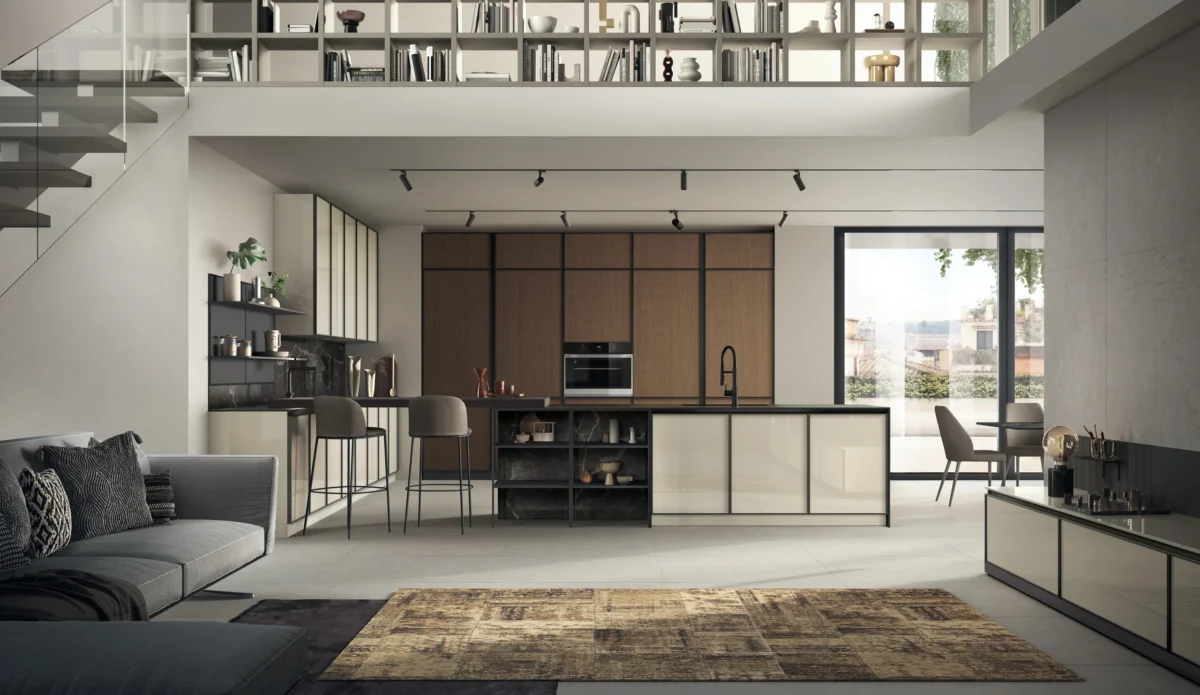
Luxury kitchens have evolved far beyond being simple cooking spaces. Today, they serve as the heart of the home a place where families gather, meals are shared, conversations flow, and memories are created. Modern homeowners no longer want a kitchen that is only visually impressive; they seek a space that effortlessly balances elegant aesthetics with exceptional functionality. Understanding How to Design a Luxury Kitchen That Combines Style and Functionality is the key to creating an environment that not only enhances everyday living but also adds long-term value to a property.
A beautifully designed luxury kitchen reflects personal style while supporting the practical needs of modern lifestyles. Whether you’re renovating an existing kitchen or designing one for a new home, every decision from layout and storage to lighting and material selection plays an important role in achieving the perfect balance between sophistication and usability.
In this comprehensive guide, we’ll explore the essential principles behind designing a luxury kitchen that delivers timeless beauty, intelligent functionality, and a premium living experience.
Why Luxury Kitchen Design Is More Important Than Ever
The role of the kitchen has transformed significantly over the years. It is no longer hidden away as a purely functional room. Instead, it has become one of the most prominent spaces within contemporary homes.
Today’s luxury kitchens often function as:
- Family gathering spaces
- Entertainment hubs
- Dining areas
- Home workspaces
- Social centres
- Lifestyle showcases
As open-plan living continues to grow in popularity, kitchens have become more visible than ever. Their design directly influences the overall appearance and atmosphere of the home. A well-planned luxury kitchen seamlessly connects with surrounding living spaces while maintaining its own distinctive character.
More importantly, homeowners expect their kitchens to perform efficiently throughout busy daily routines without sacrificing elegance. This growing demand has made thoughtful planning an essential part of luxury kitchen design.
Understanding What Makes a Kitchen Truly Luxurious
Many people assume luxury simply means expensive materials or premium appliances. While these elements certainly contribute, true luxury goes much deeper.
A luxury kitchen combines several essential qualities:
Exceptional Design
Every component works together to create visual harmony. Colours, finishes, lighting, textures, and architectural details complement one another rather than competing for attention.
Superior Functionality
Luxury means convenience. Everything is positioned to improve workflow, reduce clutter, and make cooking enjoyable.
Timeless Appeal
Rather than following short-lived trends, luxury kitchens focus on enduring design principles that remain elegant for years.
High-Quality Craftsmanship
Attention to detail separates ordinary kitchens from luxury ones. Perfect joinery, seamless finishes, precision installation, and carefully selected materials all contribute to an elevated experience.
Personalisation
No two luxury kitchens should be identical. The design reflects the homeowner’s lifestyle, cooking habits, entertaining preferences, and aesthetic vision.
How to Design a Luxury Kitchen That Combines Style and Functionality: Start with Smart Planning
One of the biggest mistakes homeowners make is focusing on finishes before considering how the kitchen will actually function.
Excellent kitchen design begins long before selecting cabinets or countertops.
Planning involves understanding:
- Available space
- Household lifestyle
- Daily cooking routines
- Storage requirements
- Traffic flow
- Lighting conditions
- Future needs
Every successful luxury kitchen starts with a detailed design strategy.
Instead of asking,
“Which marble should I choose?”
Begin by asking,
“How will I use this kitchen every single day?”
This simple shift in thinking leads to far better design decisions.
Define the Purpose of Your Kitchen
Before making any design choices, determine how your kitchen will be used.
Ask yourself:
Do you cook every day?
Frequent cooking requires larger preparation areas, durable worktops, and efficient storage.
Do you entertain guests regularly?
You may benefit from an oversized island, integrated seating, beverage stations, and open layouts.
Is your kitchen used by the entire family?
Safety, accessibility, and easy movement become higher priorities.
Do you need multifunctional spaces?
Modern luxury kitchens often include workstations, breakfast bars, charging areas, and informal dining spaces.
Understanding these requirements helps create a kitchen that supports your lifestyle instead of limiting it.
The Importance of Choosing the Right Kitchen Layout
No amount of premium materials can compensate for a poor layout.
Layout determines how comfortably and efficiently your kitchen functions every day.
Some of the most effective layouts include:
L-Shaped Kitchens
Ideal for:
- Open-plan homes
- Medium-sized spaces
- Family living
Advantages include:
- Excellent traffic flow
- Flexible dining arrangements
- Efficient work zones
U-Shaped Kitchens
Perfect for homeowners who cook frequently.
Benefits include:
- Maximum storage
- Large preparation areas
- Easy workflow
- Plenty of countertop space
Galley Kitchens
Excellent for compact luxury apartments.
When properly designed, galley kitchens provide:
- Efficient movement
- Minimal walking distance
- Highly organised workspaces
Island Kitchens
Perhaps the defining feature of many luxury homes.
Kitchen islands provide:
- Extra preparation space
- Informal dining
- Additional storage
- Social interaction
- Statement design element
Large islands often become the centrepiece of the entire home.
Designing Around the Kitchen Work Triangle
One of the most important principles in kitchen planning is the work triangle.
The three primary work areas are:
- Refrigerator
- Sink
- Cooking zone
These should be positioned to minimise unnecessary movement while avoiding congestion.
A balanced work triangle creates:
- Faster meal preparation
- Greater efficiency
- Improved comfort
- Better workflow
Although modern kitchens have evolved beyond the traditional triangle, the concept remains highly valuable when designing practical layouts.
Balancing Open Spaces with Functional Zones
Luxury kitchens often embrace open-plan living, but openness should never lead to disorganisation.
Instead, divide the kitchen into dedicated zones.
These may include:
Food Preparation Zone
Includes:
- Worktops
- Chopping areas
- Preparation sinks
- Knife storage
Cooking Zone
Contains:
- Hob
- Oven
- Ventilation
- Cooking utensils
Cleaning Zone
Includes:
- Sink
- Dishwasher
- Waste bins
- Cleaning supplies
Storage Zone
Designed for:
- Pantry items
- Dry goods
- Cookware
- Small appliances
Serving Zone
Ideal for entertaining.
May include:
- Wine storage
- Coffee station
- Beverage fridge
- Serving counter
Zoning helps maintain organisation while making everyday tasks much more efficient.
Functionality Should Always Guide Design Decisions
A luxury kitchen should never prioritise appearance over usability.
Beautiful finishes quickly lose their appeal if daily cooking becomes inconvenient.
Instead, functionality should influence every design choice.
Consider:
Comfortable Walkways
Allow sufficient clearance between worktops, islands, and cabinetry.
Proper spacing improves movement and prevents overcrowding.
Efficient Storage
Luxury kitchens minimise visible clutter through intelligent storage solutions.
Well-planned cabinetry keeps frequently used items within easy reach while maintaining clean visual lines.
Accessible Appliances
Position ovens, refrigerators, microwaves, and dishwashers where they reduce bending and repetitive movement.
Ergonomic placement enhances comfort during daily use.
Durable Surfaces
Premium materials should not only look stunning but also withstand regular cooking, cleaning, and family life.
Selecting practical surfaces ensures lasting beauty.
Building a Strong Design Foundation
Before selecting decorative finishes, establish a strong structural foundation.
This includes considering:
Natural Light
Natural daylight dramatically enhances the appearance of premium materials.
Large windows, skylights, and glazed doors make kitchens feel brighter, larger, and more welcoming.
Lighting should be incorporated into the design from the earliest planning stages rather than added later.
Ceiling Height
Luxury kitchens benefit from spacious proportions.
High ceilings allow for:
- Taller cabinetry
- Statement lighting
- Improved openness
- Enhanced architectural interest
Even in homes with standard ceiling heights, thoughtful design techniques can create the illusion of greater space.
Flooring Selection
Flooring serves as the visual anchor of the kitchen.
It should provide:
- Durability
- Easy maintenance
- Slip resistance
- Cohesion with adjoining living spaces
Choosing flooring early helps coordinate cabinetry, colours, and finishes throughout the design.
Architectural Features
Rather than relying solely on decorative elements, luxury kitchens often incorporate subtle architectural details such as:
- Feature ceilings
- Recessed lighting
- Integrated shelving
- Elegant wall panelling
- Minimalist detailing
- Seamless transitions between rooms
These features create a refined, cohesive appearance that elevates the overall design.
Creating a Timeless Luxury Kitchen Instead of Following Trends
One of the hallmarks of exceptional kitchen design is longevity. While design trends come and go, a luxury kitchen should continue to feel elegant and functional for many years.
To achieve this, focus on timeless design principles rather than short-lived styles. Neutral colour palettes, balanced proportions, clean lines, and high-quality materials provide a lasting foundation that can easily be refreshed with accessories or decorative accents over time.
Investing in enduring design choices not only enhances everyday enjoyment but also protects the long-term value of your home. A thoughtfully planned kitchen remains visually appealing, practical, and relevant, regardless of changing trends.
Premium Materials That Define a Luxury Kitchen
When learning How to Design a Luxury Kitchen That Combines Style and Functionality, selecting the right materials is one of the most important decisions you’ll make. Luxury isn’t about choosing the most expensive option—it’s about investing in materials that offer exceptional durability, timeless appeal, and effortless maintenance.
Every surface contributes to both the visual identity and the practical performance of your kitchen. From worktops and cabinetry to splashbacks and flooring, consistency in quality creates a sophisticated and cohesive space.
Natural Stone Worktops
Natural stone remains one of the most sought-after choices for luxury kitchens because of its elegance and durability. Materials with unique veining and textures create a distinctive focal point while offering excellent resistance to everyday wear when properly maintained.
Natural stone works particularly well in kitchens that aim to blend classic design with modern functionality.
Engineered Surfaces
Engineered surfaces have become increasingly popular in contemporary luxury kitchens due to their low maintenance, non-porous finish, and excellent durability.
These surfaces offer:
- Exceptional stain resistance
- Easy cleaning
- Consistent appearance
- Long-lasting performance
For busy households, engineered worktops provide an excellent balance between luxury and practicality.
Premium Timber Finishes
Wood introduces warmth and character into a kitchen, preventing modern spaces from feeling cold or clinical.
Luxury kitchens often feature timber in:
- Cabinet fronts
- Open shelving
- Breakfast bars
- Ceiling details
- Decorative wall panels
The combination of natural textures with modern finishes creates a welcoming atmosphere while maintaining a premium aesthetic.
Bespoke Cabinetry: The Foundation of Luxury Kitchen Design
Cabinetry occupies a significant portion of your kitchen’s visual space, making it one of the most influential design elements.
Rather than relying on standard solutions, luxury kitchens prioritise bespoke cabinetry that maximises every inch of available space while reflecting the homeowner’s individual style.
Custom cabinetry allows for:
- Precise space utilisation
- Personalised storage
- Seamless integration
- Superior craftsmanship
- Cleaner visual lines
Well-designed cabinetry not only improves functionality but also contributes to the overall architectural elegance of the room.
Choosing the Right Cabinet Style
Cabinet design should complement the home’s overall interior rather than compete with it.
Some timeless options include:
Handleless Cabinets
Perfect for contemporary homes, handleless cabinetry creates a sleek and uncluttered appearance.
Benefits include:
- Minimalist design
- Smooth visual flow
- Easy maintenance
- Modern sophistication
Shaker Cabinets
Shaker-style cabinetry remains a favourite because it combines simplicity with timeless elegance.
Its balanced proportions suit both traditional and modern luxury interiors.
Integrated Cabinet Designs
Integrated cabinetry conceals appliances behind matching panels, creating a seamless and harmonious appearance throughout the kitchen.
This approach is particularly effective in open-plan living spaces where visual continuity is important.
Intelligent Storage Solutions for Everyday Convenience
A luxury kitchen should feel organised regardless of how often it is used.
Visible clutter can diminish even the most beautifully designed space, making intelligent storage essential.
Rather than simply increasing the number of cabinets, focus on creating smarter storage solutions.
Deep Drawer Systems
Deep drawers provide easier access to cookware, utensils, and pantry items than traditional cupboards.
They also improve organisation by allowing everything to remain visible.
Pull-Out Pantry Units
Tall pull-out pantry systems maximise vertical storage while making ingredients easy to locate.
This reduces wasted space and improves accessibility.
Corner Storage Solutions
Innovative corner mechanisms ensure previously awkward spaces become highly functional.
These solutions help maximise every part of the kitchen without compromising accessibility.
Appliance Garages
Small appliances often create visual clutter when left on countertops.
Dedicated appliance garages keep frequently used items hidden yet easily accessible.
This preserves the clean, sophisticated appearance expected in a luxury kitchen.
Luxury Kitchen Lighting: Beauty Meets Practicality
Lighting is one of the most transformative aspects of kitchen design.
A thoughtfully planned lighting scheme enhances functionality while highlighting architectural details and premium materials.
Instead of relying on a single ceiling fixture, luxury kitchens combine multiple lighting layers.
Ambient Lighting
Ambient lighting provides the primary illumination throughout the room.
Popular choices include:
- Recessed ceiling lights
- LED ceiling systems
- Architectural cove lighting
The goal is to create even, comfortable illumination without harsh shadows.
Task Lighting
Task lighting focuses on work areas where precision is required.
Examples include:
- Under-cabinet lighting
- Preparation area lighting
- Sink lighting
- Hob illumination
Proper task lighting improves both safety and cooking efficiency.
Accent Lighting
Accent lighting introduces depth and visual interest.
It may be used to highlight:
- Open shelving
- Decorative splashbacks
- Display cabinets
- Feature walls
- Kitchen islands
This subtle layer creates a warm, luxurious atmosphere during the evening.
Statement Lighting
Luxury kitchens often include statement lighting that acts as both illumination and artwork.
Pendant lights positioned above islands or dining areas create a striking focal point while adding personality to the design.
Selecting fixtures with timeless appeal ensures they remain elegant for years.
Choosing Premium Kitchen Appliances
Appliances should complement the overall kitchen design while supporting everyday functionality.
Modern luxury kitchens favour integrated solutions that blend seamlessly with surrounding cabinetry.
When selecting appliances, prioritise:
- Energy efficiency
- Quiet operation
- Smart technology
- Reliable performance
- Elegant design
The goal is to create a kitchen where technology enhances the experience without dominating the visual aesthetic.
Integrated Refrigeration
Integrated refrigeration creates uninterrupted cabinetry lines, making the kitchen appear more spacious and refined.
Hidden appliances contribute to the minimalist appearance often associated with luxury interiors.
Built-In Ovens
Installing ovens at ergonomic heights improves comfort while creating cleaner visual symmetry within the cabinetry.
Multiple cooking appliances may also improve efficiency for households that entertain regularly.
Induction Cooking
Modern induction cooking offers:
- Fast heating
- Precise temperature control
- Improved energy efficiency
- Easy cleaning
- Enhanced safety
Its sleek surface also contributes to contemporary kitchen aesthetics.
Quiet Dishwashers
Luxury extends beyond appearance.
Quiet appliances create a more relaxing environment, especially in open-plan homes where kitchens connect directly with living and dining spaces.
Selecting the Perfect Colour Palette
Colour has a significant influence on the mood and perceived size of a kitchen.
Luxury kitchens typically avoid overly bold combinations in favour of balanced, timeless palettes.
Popular choices include:
- Soft whites
- Warm neutrals
- Elegant greys
- Earth-inspired tones
- Deep charcoal
- Rich natural wood finishes
These colours provide flexibility while allowing premium materials to remain the focal point.
Creating Contrast with Balance
Contrast introduces visual interest without overwhelming the space.
Examples include:
- Dark cabinetry with light worktops
- Timber accents against neutral finishes
- Metallic hardware paired with matte surfaces
- Stone textures combined with smooth cabinetry
The key is moderation.
Balanced contrast creates sophistication rather than visual clutter.
Texture Adds Depth to Luxury Interiors
Luxury kitchens often combine multiple textures to create a layered, inviting environment.
Examples include:
- Smooth stone
- Natural timber
- Matte cabinetry
- Brushed metal finishes
- Glass display units
- Textured splashbacks
These contrasting materials add richness while maintaining harmony throughout the design.
Kitchen Islands: The Centrepiece of Modern Luxury
Few features define a luxury kitchen more than a beautifully designed island.
An island provides far more than additional worktop space.
It can function as:
- Food preparation area
- Casual dining space
- Entertaining hub
- Storage solution
- Display feature
- Social gathering point
When proportioned correctly, a kitchen island naturally becomes the heart of the room.
Adding comfortable seating encourages interaction while keeping guests connected to the cooking experience.
Seamlessly Integrating Dining and Living Areas
Modern homes increasingly favour open-plan layouts where kitchens flow naturally into dining and living spaces.
To maintain visual consistency:
- Repeat material finishes across spaces
- Coordinate flooring
- Match colour palettes
- Use complementary lighting
- Maintain consistent architectural detailing
This approach creates a harmonious environment where each area feels connected while serving its own purpose.
Luxury Features That Enhance Everyday Living
True luxury lies in thoughtful details that improve daily life.
Depending on your lifestyle, consider incorporating features such as:
Walk-In Pantry
A dedicated pantry keeps bulk storage separate from the main kitchen, helping maintain clean and organised work surfaces.
Coffee Station
A built-in coffee area creates a convenient morning routine while reducing countertop clutter.
Beverage Centre
A dedicated beverage station is ideal for entertaining guests and keeping refreshments easily accessible.
Breakfast Bar
Integrated seating transforms the kitchen into a welcoming space for casual meals, homework, or socialising.
Hidden Charging Stations
Concealed charging points allow modern devices to remain powered without disrupting the kitchen’s clean aesthetic.
Paying Attention to the Small Details
Luxury is often defined by precision.
Small finishing touches can dramatically influence the overall appearance of a kitchen.
These include:
- Soft-close drawers and cabinets
- High-quality hinges and runners
- Seamless joins
- Coordinated hardware
- Minimal visible fixings
- Consistent material transitions
These details may seem subtle individually, but together they create the refined experience that distinguishes a truly luxurious kitchen from an ordinary one.
Smart Technology: The Future of Luxury Kitchen Design
Modern luxury kitchens are no longer defined solely by premium finishes and elegant aesthetics. Smart technology has become an essential part of creating a kitchen that combines style with everyday convenience. Integrating intelligent features can simplify daily tasks, improve energy efficiency, and enhance the overall cooking experience.
Some of the most popular smart kitchen features include:
- Smart ovens with remote controls and programmable cooking modes
- Touchless kitchen taps for improved hygiene
- Intelligent lighting systems with adjustable brightness
- Smart refrigeration that helps monitor food storage
- Wireless charging stations integrated into worktops
- Voice-controlled assistants for hands-free convenience
The key is to incorporate technology that genuinely improves your lifestyle rather than overwhelming the design. Smart features should blend seamlessly into the overall aesthetic, ensuring the kitchen remains elegant and uncluttered.
Designing a Sustainable Luxury Kitchen
Luxury and sustainability now go hand in hand. Homeowners are increasingly seeking environmentally responsible design choices that reduce energy consumption without compromising quality or appearance.
Creating a sustainable luxury kitchen involves selecting durable materials, investing in energy-efficient appliances, and reducing unnecessary waste during the design process.
Consider incorporating:
Energy-Efficient Appliances
Modern appliances consume less electricity and water while delivering excellent performance. Choosing energy-efficient models helps reduce long-term running costs and supports a more sustainable home.
Long-Lasting Materials
High-quality materials may require a greater initial investment, but they typically last much longer than lower-quality alternatives. Durable surfaces reduce the need for frequent replacements, making them both economical and environmentally friendly.
LED Lighting
LED lighting provides excellent illumination while using significantly less energy than traditional lighting solutions. It also has a much longer lifespan, reducing maintenance and replacement costs.
Responsible Material Selection
Selecting responsibly sourced timber, recyclable materials, and low-emission finishes contributes to healthier indoor environments while supporting sustainable design practices.
Personalising Your Luxury Kitchen
One of the defining characteristics of a luxury kitchen is its ability to reflect the homeowner’s personality and lifestyle.
Rather than copying trends, focus on creating a space that feels unique to your home.
Personalisation may include:
- Custom cabinetry finishes
- Bespoke storage solutions
- Statement lighting
- Feature splashbacks
- Decorative shelving
- Unique hardware
- Tailored seating areas
The best luxury kitchens feel timeless because they are designed around the people who use them every day.
Common Mistakes to Avoid When Designing a Luxury Kitchen
Even the most expensive kitchen can fall short if fundamental design principles are overlooked. Avoiding these common mistakes will help ensure your investment delivers both beauty and practicality.
Prioritising Appearance Over Function
A visually stunning kitchen that lacks practical workflow can quickly become frustrating to use. Always begin with functionality before selecting decorative finishes.
Insufficient Storage
One of the biggest design mistakes is underestimating storage requirements. A luxury kitchen should accommodate everything neatly while maintaining clean, uncluttered surfaces.
Poor Lighting Design
Relying on a single light source often creates shadows and reduces usability. Layered lighting is essential for both atmosphere and functionality.
Ignoring Future Needs
Your lifestyle may change over time. Planning for flexibility ensures your kitchen continues to meet your needs for years to come.
Following Short-Lived Trends
Trends come and go, but timeless design remains elegant. Invest in classic materials and balanced colour palettes that won’t quickly become outdated.
Maintaining the Beauty of Your Luxury Kitchen
A well-designed kitchen deserves proper care to preserve its appearance and performance.
Simple maintenance practices include:
- Cleaning surfaces with appropriate products
- Wiping spills promptly
- Protecting worktops from excessive heat
- Maintaining appliance filters
- Regularly checking cabinet hardware
- Keeping storage areas organised
Routine maintenance not only extends the lifespan of your kitchen but also helps retain its luxurious appearance for years to come.
Frequently Asked Questions
What is the most important element of a luxury kitchen?
The most important element is achieving the right balance between aesthetics and functionality. A luxury kitchen should look beautiful while supporting efficient everyday use.
Which layout works best for a luxury kitchen?
The ideal layout depends on the available space and your lifestyle. Island kitchens, L-shaped layouts, and U-shaped kitchens are popular choices because they provide efficient workflows and generous preparation areas.
Are smart appliances worth including?
Yes. Smart appliances improve convenience, enhance energy efficiency, and simplify everyday tasks when thoughtfully integrated into the overall kitchen design.
How can I make my kitchen look luxurious without making it feel overcrowded?
Focus on clean lines, high-quality materials, concealed storage, layered lighting, and a cohesive colour palette. Eliminating visual clutter is one of the easiest ways to create a refined appearance.
How long should a luxury kitchen last?
With quality craftsmanship, premium materials, and proper maintenance, a luxury kitchen can remain functional and stylish for many years.
Conclusion: Designing a Kitchen That Truly Elevates Your Home
Understanding How to Design a Luxury Kitchen That Combines Style and Functionality is about much more than selecting premium finishes or installing high-end appliances. It requires thoughtful planning, intelligent layouts, bespoke storage, carefully chosen materials, layered lighting, and attention to every detail.
A successful luxury kitchen should support your daily routines while providing a welcoming environment for family life, entertaining, and relaxation. By prioritising both practicality and timeless design, you can create a space that continues to add value, comfort, and elegance to your home for years to come.
Whether you’re planning a complete renovation or designing a brand-new kitchen, investing in professional expertise ensures every aspect of the project is carefully considered—from the initial concept through to the final installation.
Transform Your Dream Kitchen with NUE Interiors
Creating a luxury kitchen requires experience, creativity, and meticulous attention to detail. At NUE Interiors, we specialise in designing bespoke interiors that seamlessly combine sophisticated aesthetics with exceptional functionality.
If you’re ready to create a kitchen tailored to your lifestyle, visit our https://nue-interiors.com/contact/ Kitchen Design Consultation page to discuss your project with our team. Together, we can design a luxury kitchen that reflects your vision while delivering outstanding comfort, practicality, and timeless style.